
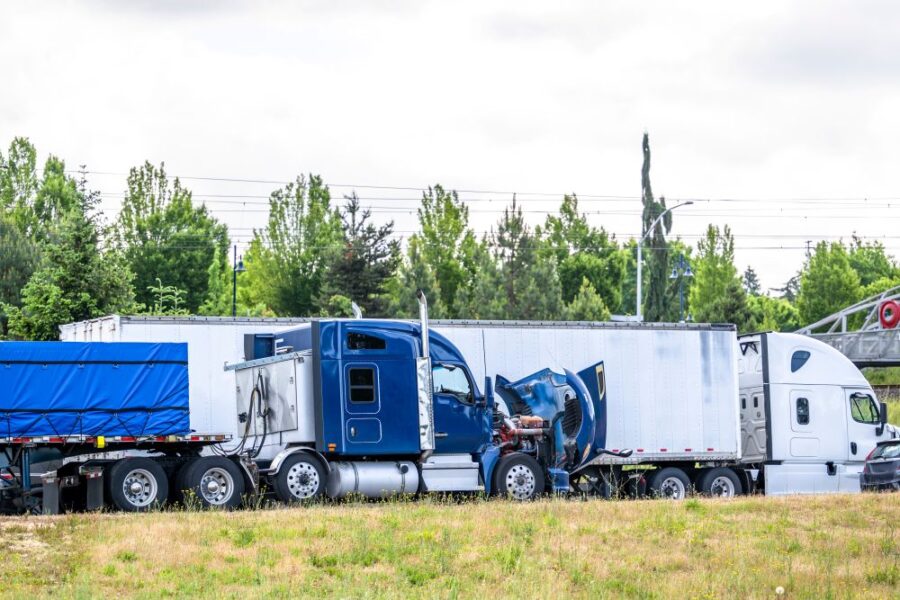
Frequently Asked Questions About Truck Accidents
Truck accidents are among the most devastating motor vehicle collisions. Because of their massive size and weight, commercial trucks often cause severe injuries, property damage, and even fatalities when accidents occur. If you or a loved one has been involved in a truck accident, here are the key things you should know.
- What is the First Thing to Do After an Accident?
The first moments after a truck accident are often chaotic and overwhelming. However, your actions can greatly affect both your safety and any future claim. The very first thing you should do is prioritize safety. Check yourself and passengers for injuries, and if possible, move to a safe location away from traffic to prevent further harm. Call 911 immediately—not only for medical help but also to ensure the accident is officially reported.
Next, if you are physically able, gather evidence at the scene. Take photos of the vehicles, road conditions, skid marks, and any visible injuries. Exchange information with the truck driver, including name, contact details, insurance, and trucking company information. Collect contact details from witnesses as well.
Avoid admitting fault or making detailed statements to insurance representatives at the scene. Instead, seek medical attention promptly, even if you feel fine, since some injuries take time to appear.
Finally, consider contacting a truck accident lawyer as soon as possible. Trucking companies and insurers often act quickly to protect their interests, so having legal representation early helps preserve evidence and protect your rights.
Staying calm, safe, and proactive is the key first step after a truck accident.
- Who is at Fault for a Truck Accident?
Determining fault in a truck accident is often more complicated than in a typical car crash. Unlike regular accidents that usually involve only two drivers, truck accidents may involve multiple parties. The truck driver may be at fault if they were speeding, distracted, fatigued, or driving under the influence. However, liability doesn’t always end with the driver.
The trucking company can also be held responsible if it failed to properly train drivers, forced them to work beyond legal driving hours, or neglected truck maintenance. In some cases, the cargo loaders may be at fault if an improperly loaded or unsecured load caused the accident. Additionally, manufacturers or maintenance providers could share liability if a defective part or poor servicing contributed to the crash.
To establish fault, investigators often review driver logs, black box data, maintenance records, and witness statements. Because trucking companies and insurers typically have strong legal teams working to minimize their responsibility, proving liability requires thorough investigation.
Ultimately, determining who is at fault depends on the unique circumstances of the accident. This is why working with an experienced truck accident lawyer is crucial—they can identify all liable parties and help secure the compensation you deserve.
- How Can I Prove My Truck Accident Case?
Proving a truck accident case requires gathering strong evidence that shows who was responsible for the crash and the extent of your damages. Unlike simple car accidents, truck accidents often involve multiple parties, strict regulations, and powerful trucking companies, making the process more complex.
The first step is to collect evidence at the scene, if you are able. This includes photos of the vehicles, road conditions, skid marks, and your injuries. Witness statements can also provide crucial support. Always call 911 so that police can create an official accident report, which becomes an important piece of evidence.
Next, more technical evidence comes into play. Truck accident claims often rely on:
- Driver logs to check for fatigue or violation of hours-of-service rules.
- Black box data that records the truck’s speed, braking, and performance before the crash.
- Maintenance and inspection records to uncover poor vehicle upkeep.
- Employment and training files from the trucking company to see if proper safety standards were followed.
In addition to proving fault, you must also prove the extent of your losses. Medical records, bills, proof of lost income, and expert testimony about future care needs are all key to showing the financial and personal impact of the accident.
Because trucking companies and insurers often fight hard to limit payouts, working with an experienced truck accident lawyer is one of the most effective ways to gather, preserve, and present the evidence needed to prove your case.
- What Types of Compensation Can I Claim After a Crash?
If you’ve been involved in a car or truck accident, the damages can extend far beyond the immediate property damage. Victims often face medical bills, time away from work, and long-term physical and emotional challenges. Fortunately, accident claims allow you to pursue different types of compensation to help rebuild your life.
The most common category is economic damages, which cover the financial costs of the crash. These include:
- Medical expenses: hospital bills, surgeries, medication, rehabilitation, and future treatment.
- Lost wages: income you miss while recovering.
- Loss of earning capacity: if your injuries prevent you from returning to the same type of work.
- Property damage: repair or replacement of your vehicle and belongings.
Victims may also recover non-economic damages, which compensate for the personal toll of the accident. These include:
- Pain and suffering: physical discomfort and emotional distress caused by the crash.
- Loss of enjoyment of life: if you can no longer participate in activities, you once enjoyed.
- Loss of consortium: the impact of injuries on your relationship with a spouse or family.
In rare cases involving extreme negligence or misconduct, you may also be awarded punitive damages, designed to punish the at-fault party and deter similar behavior in the future.
Because calculating damages requires considering both immediate and long-term consequences, having an experienced accident lawyer can help ensure you pursue the full compensation you deserve.
- How long does a truck accident lawsuit take?
One of the most common questions after a serious truck accident is, “How long will my case take?” The truth is, there is no one-size-fits-all answer. The timeline for a truck accident lawsuit depends on several factors, including the complexity of the case, the severity of injuries, and the willingness of the insurance company or trucking company to settle.
In general, a truck accident claim can take several months to a few years to resolve. The process often begins with a thorough investigation, which may involve reviewing police reports, truck driver logs, black box data, medical records, and witness statements. This stage alone can take weeks or months depending on the availability of evidence.
Once a claim is filed, negotiations with insurance companies may lead to a settlement. If both sides can agree, the case may resolve relatively quickly—sometimes within a few months. However, if the insurer disputes liability or the value of damages, the case may proceed to litigation. Court cases typically take longer, as they involve discovery, depositions, motions, and possibly a trial.
Additionally, cases involving catastrophic injuries often require waiting until the victim reaches maximum medical improvement to accurately calculate future medical costs and damages, which can extend the timeline.
Ultimately, while some truck accident cases resolve within a year, more complex cases can take two years or more. Having an experienced truck accident lawyer helps move the process forward while protecting your right to fair compensation.
What Are the Most Common Causes of Truck Accidents?
Truck accidents are often far more devastating than regular car crashes because of the massive size and weight of commercial vehicles. Understanding the most common causes can help identify who may be at fault and prevent future accidents.
1. Driver Fatigue
Truck drivers often work long hours under tight schedules. Despite federal regulations limiting driving hours, fatigue remains a leading cause of accidents. A tired driver has slower reaction times and reduced focus, increasing the risk of crashes.
2. Distracted Driving
Like any motorist, truck drivers can be distracted by cell phones, GPS devices, or even eating while driving. Given the weight of a truck, even a momentary lapse in attention can be catastrophic.
3. Speeding and Aggressive Driving
Trucks need much longer distances to stop compared to passenger vehicles. Speeding or tailgating drastically reduces a driver’s ability to avoid a collision.
4. Improper Loading of Cargo
Unbalanced or unsecured loads can cause a truck to tip over or spill onto the roadway, creating serious hazards for nearby drivers.
5. Poor Maintenance or Mechanical Failures
Worn brakes, tire blowouts, and other mechanical problems are frequent contributors to truck accidents. Often, these issues result from neglected maintenance by trucking companies.
6. Driving Under the Influence
Although less common, drug or alcohol impairment among truck drivers poses extreme dangers due to the size and force of these vehicles.
Injured in a Truck Accident? Let Reinken Law Fight for You.
Truck accidents can leave you facing overwhelming medical bills, lost wages, and long-term recovery. Don’t go up against powerful trucking companies and their insurers alone. At Reinken Law Firm, we have decades of experience holding negligent drivers and trucking companies accountable.
Our team will thoroughly investigate your case, preserve critical evidence, and fight aggressively to secure the compensation you deserve. We work on a no recovery, no fee basis—you don’t pay unless we win for you.
✅ Free Case Evaluation
✅ Experienced Truck Accident Lawyers
✅ Proven Results for Injury Victims
📞 Call Reinken Law Firm today at [insert phone number] or fill out our online form to schedule your free consultation. Time is critical in truck accident cases—let us start protecting your rights immediately.